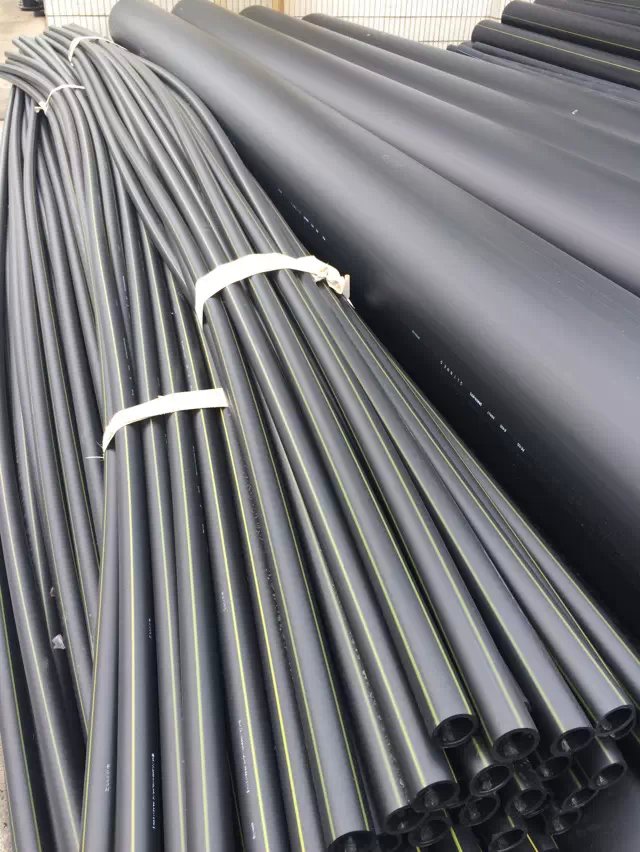
Industrial piping systems move some of the most aggressive fluids on earth — hot sulfuric acid, caustic soda, chlorinated brine, abrasive slurries. Carbon steel pipes corrode through in months in these services. Stainless steel lasts longer but costs 5–10× more and still succumbs to chloride pitting and stress corrosion cracking. FRP (Fiberglass Reinforced Plastic) pipes offer a third path: inherent corrosion resistance at roughly half the installed cost of stainless steel. But FRP is a family of materials, not a single product. FRPP, GRE, and GRP each serve different applications. This guide covers how to choose.
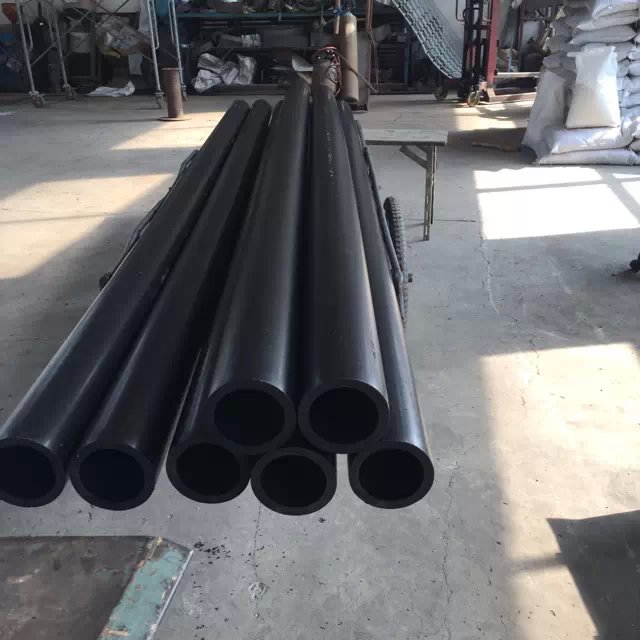
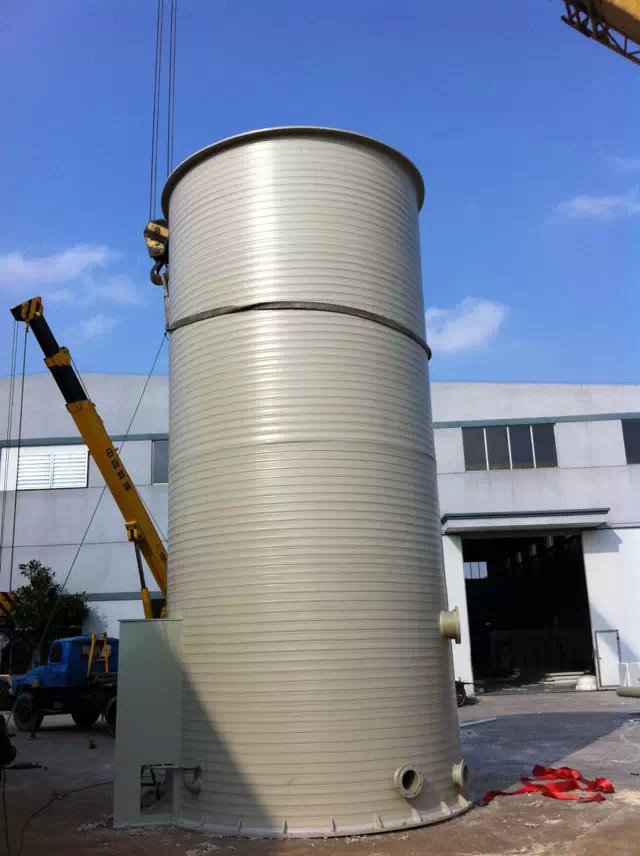
Key Factors to Consider When Choosing FRP Pipes
Five application parameters drive the FRP pipe specification. First, the fluid chemistry — concentration, pH, and presence of oxidizing agents determine the resin system. Second, the maximum operating temperature — FRP pipes have continuous service temperature limits from 65°C (standard polyester) to 120°C (high-temperature epoxy). Third, the pressure class — from gravity flow to 40+ bar for high-pressure lines. Fourth, the pipe diameter — FRP pipes range from 25 mm to 4,000 mm, with different manufacturing processes optimal for different size ranges. Fifth, the installation environment — above ground on pipe racks, direct buried, or submerged — each requires different joint types and external protection.
Material and Specification Comparison
FRPP (Fiberglass Reinforced Polypropylene) combines a polypropylene thermoplastic liner with a glass fiber-reinforced thermoset structural wall. The PP liner provides excellent chemical resistance to acids, alkalis, and solvents at temperatures up to 80°C. FRPP is the material of choice for chemical process piping, plating lines, and waste acid systems. The PP liner is non-porous, so there is no wicking of process fluid into the structural wall — a critical advantage over all-FRP pipes in services with aggressive solvents that can attack the resin matrix.
GRE (Glass-Reinforced Epoxy) uses epoxy resin with glass fiber reinforcement. GRE pipes have higher temperature capability (up to 120°C) and better fatigue resistance than polyester-based pipes, making them the standard for oil and gas applications — produced water, firewater, cooling water, and low-pressure hydrocarbon service. GRE pipes are manufactured by filament winding, which provides precise fiber orientation control for optimizing hoop and axial strength.
GRP (Glass-Reinforced Polyester) is the most economical FRP pipe material, using isophthalic polyester or vinyl ester resin. GRP covers the widest range of applications — water distribution, sewerage, drainage, seawater intake, and cooling water. For chemical resistance, vinyl ester GRP handles strong acids and oxidizing agents that attack polyester. GRP pipes are manufactured by filament winding or centrifugal casting, with diameters from 100 mm to 4,000 mm.
Supplier Evaluation Checklist
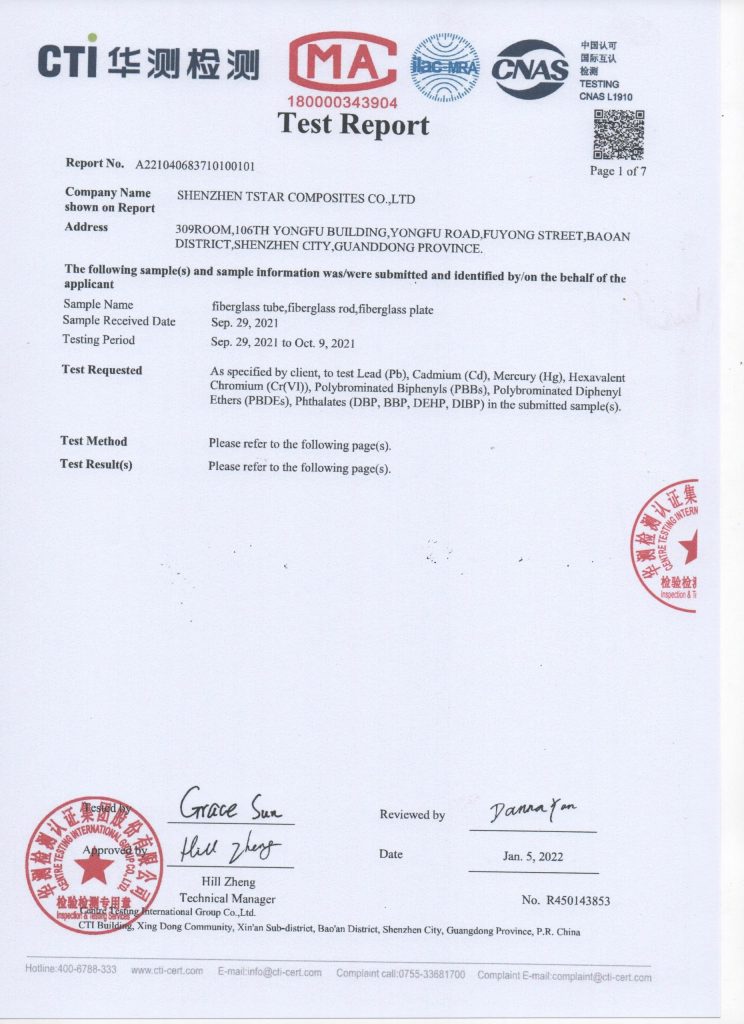
FRP pipe is not a commodity — the quality varies enormously between manufacturers. Verify that the supplier manufactures pipe to a recognized standard: AWWA C950 for water, ASTM D2996 for filament-wound pipe, ASTM D2997 for centrifugally cast pipe, or API 15LR for low-pressure GRE line pipe. Ask for the qualified pressure class — FRP pipes are rated by pressure class (e.g., 150 psi, 300 psi) verified by hydrostatic testing per ASTM D1599. The pipe should have a minimum 4:1 safety factor between the short-term burst pressure and the rated operating pressure.
The joining system is as important as the pipe itself. FRP pipes use adhesive-bonded bell-and-spigot joints, butt-and-wrap joints (laminated in the field), flanged connections, or mechanical couplings. Adhesive-bonded joints provide a monolithic, leak-free system but require cure time before pressure testing. Mechanical couplings allow immediate service but introduce elastomeric seals that have a finite service life and must be compatible with the process fluid.
Cost-Benefit Analysis: Upfront vs Lifecycle
FRP pipe material costs $30–120 per meter for diameters 100–300 mm, depending on resin system and pressure class. This compares to $20–60/m for carbon steel (Schedule 40), $60–150/m for 316L stainless steel, and $100–250/m for duplex stainless steel or high-nickel alloys. However, material cost is only 30–40% of total installed cost. The remaining 60–70% is installation labor, fittings, supports, testing, and surface preparation. FRP’s lighter weight (1.8 g/cm³ vs 7.8 g/cm³ for steel) reduces installation labor and eliminates the need for heavy lifting equipment for diameters under 300 mm — two workers can carry and position a 6-meter length of 200 mm FRP pipe.
Over a 20-year service life in corrosive service, FRP pipes typically cost 40–60% less than coated carbon steel (which must be repainted every 5–8 years and replaced every 10–15 years) and 20–30% less than stainless steel (which avoids painting but has higher upfront cost). The payback period for choosing FRP over coated carbon steel in corrosive service is typically 3–5 years.
Common Sourcing Mistakes
Specifying FRP pipe by diameter without specifying the pressure class is the most common mistake — a 200 mm FRP pipe could be rated for anything from gravity flow to 40 bar, with completely different wall thicknesses and costs. Second, using carbon steel flanges on FRP pipe (to save money on stainless) creates a galvanic couple that corrodes the steel flange and stains the FRP. FRP flanges should use 316L stainless steel backing rings or FRP stub ends with loose backing flanges. Third, exposing standard polyester FRP pipes to temperatures above their rated limit — a process upset that sends 90°C fluid through a 65°C-rated pipe will cause permanent softening and deformation. Always specify the resin system for the maximum possible temperature, not the normal operating temperature.
FRP Pipe Material Comparison Matrix
| Property | FRPP | GRE (Epoxy) | GRP (Polyester) | GRP (Vinyl Ester) |
|---|---|---|---|---|
| Max Temp (continuous) | 80°C | 120°C | 65°C | 95°C |
| Pressure Range | Gravity to 16 bar | Up to 40 bar | Gravity to 25 bar | Up to 32 bar |
| Acid Resistance | Excellent (PP liner) | Good | Moderate | Excellent |
| Alkali Resistance | Excellent | Good | Poor (avoid) | Good |
| Solvent Resistance | Excellent (PP liner) | Moderate | Poor | Moderate |
| Typical Diameter Range | 25–600 mm | 25–1,200 mm | 100–4,000 mm | 100–4,000 mm |
| Joint Type | Butt fusion + FRP wrap | Adhesive bonded | Adhesive or butt-wrap | Adhesive or butt-wrap |
| Material Cost Index | 1.5× | 2.0× | 1.0× | 1.8× |
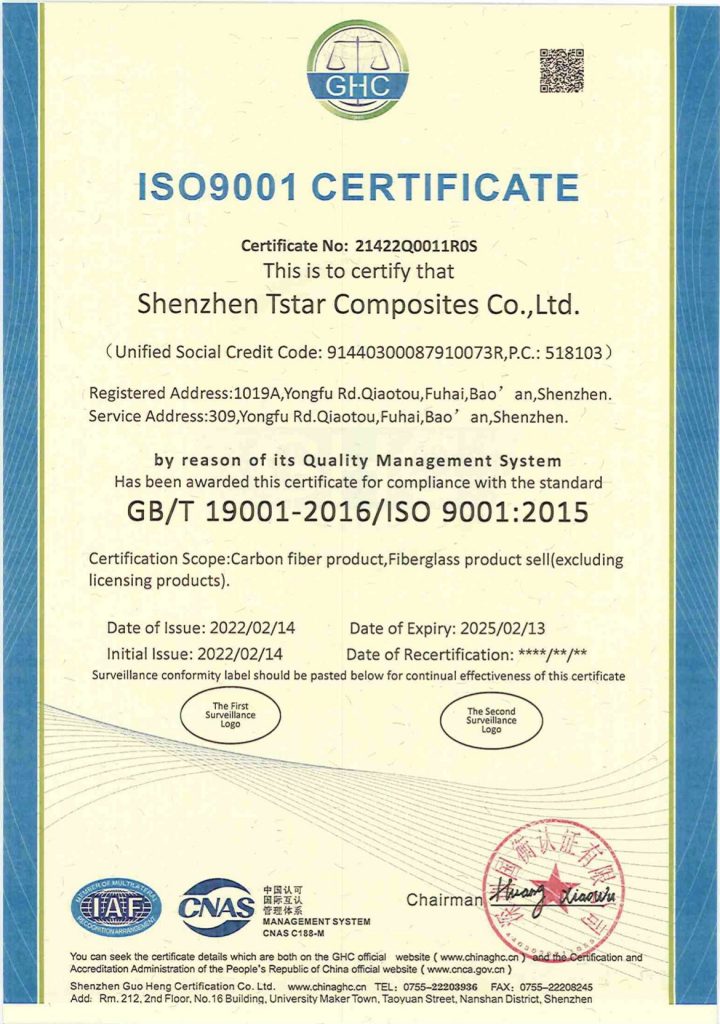
FRP TSTAR supplies FRP pipes in FRPP, GRE, and GRP from 25 mm to 4,000 mm diameter for chemical processing, water treatment, oil and gas, and marine applications. Complete engineering support including hydraulic calculations, pipe stress analysis, and joint design. Contact us with your process fluid data for a material recommendation.